Occupational Therapy
Disorder • Disorder Delay • Disorder • Specialty Disorder • Disorder • Disorder • Disorder • Delay • Disorder
Evaluations
At mei quis eius quas, mei ea lucilius qualisque explicari. Ne mel choro option. Ne per altera iriure concludaturque. Affert alterum repudiare at vis, apeirian gubergren an quo:
Ex omnium docendi liberavisse sed
Mel id doctus audiam regione
Virtute mediocritatem sed ut
Per ea ubique adipisci gubergren. Vis cu mazim dictas, per congue civibus cu. Dico labitur lobortis duo at, id ius movet doctus. His ea lorem dolorum delicata, ne consul atomorum liberavisse sed, at purto unum his.

Our Approach to Feeding Therapy
At mei quis eius quas, mei ea lucilius qualisque explicari. Ne mel choro option.
Ex omnium docendi liberavisse sed
Mel id doctus audiam regione
Virtute mediocritatem sed ut

Signs your child would benefit from a feeding evaluation
At mei quis eius quas, mei ea lucilius qualisque explicari. Ne mel choro option. Ne per altera iriure concludaturque. Affert alterum repudiare at vis, apeirian gubergren an quo:
Ex omnium docendi liberavisse sed
Mel id doctus audiam regione
Virtute mediocritatem sed ut
Per ea ubique adipisci gubergren. Vis cu mazim dictas, per congue civibus cu. Dico labitur lobortis duo at, id ius movet doctus.

What is Occupational Therapy?
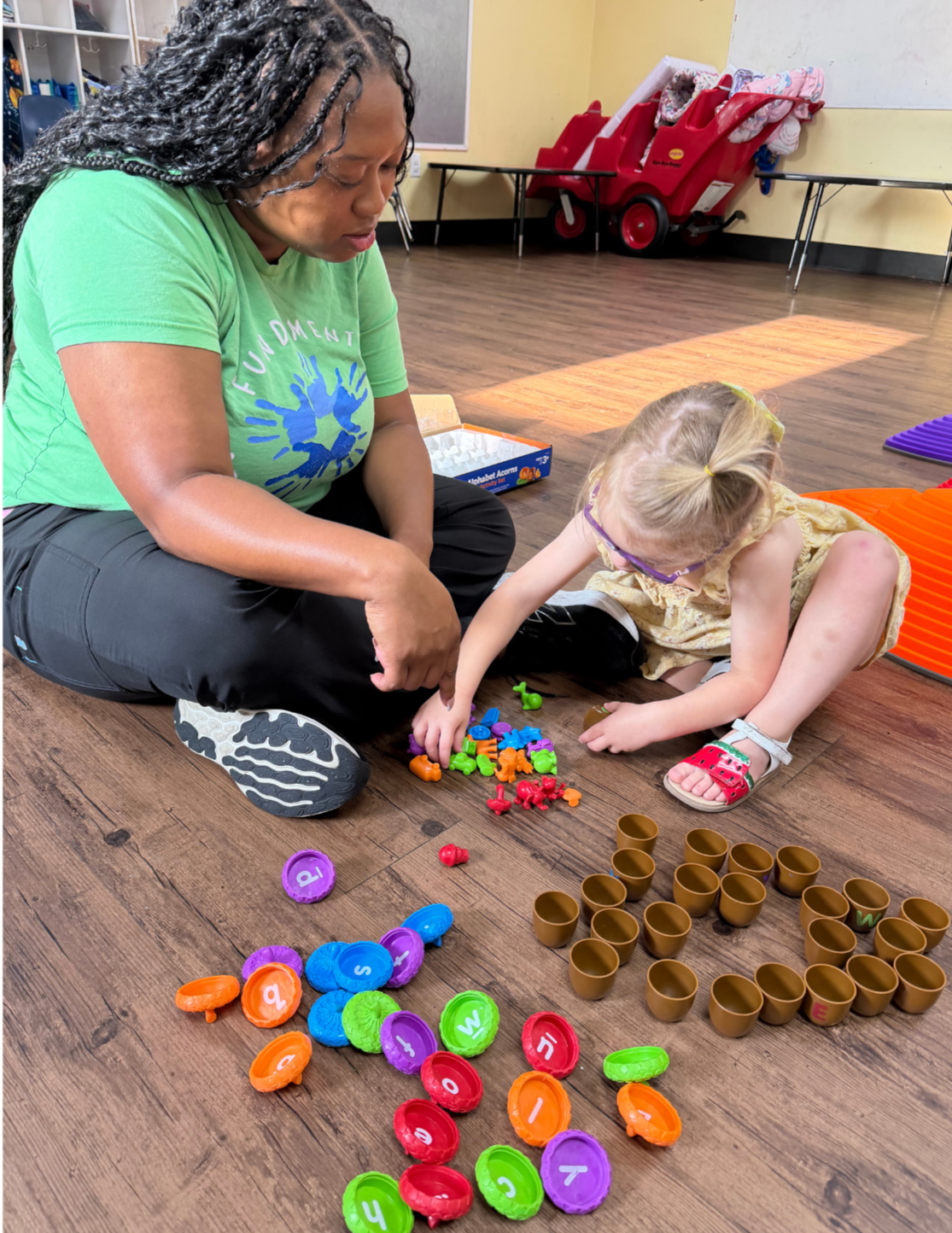
Occupational therapy helps children learn the skills needed to be independent and successful throughout their daily routines (e.g., home, school, social settings) by improving underlying skills that are a barrier to participation in activities of daily living and age-appropriate ‘occupations,’ such as play.
At FUNdamental Pediatric Therapy, we screen, evaluate, and provide individualized treatment to improve the skills needed for children to participate in their everyday activities. Further explore what pediatric speech-language pathologists can address below, and check out our milestone charts for specific age-range expectations.
Fine Motor Skills
Does your child eat less than 20 foods? Do they struggle with different textures or food groups? Feeding therapy can help increase the number of developmentally appropriate foods in their diet.
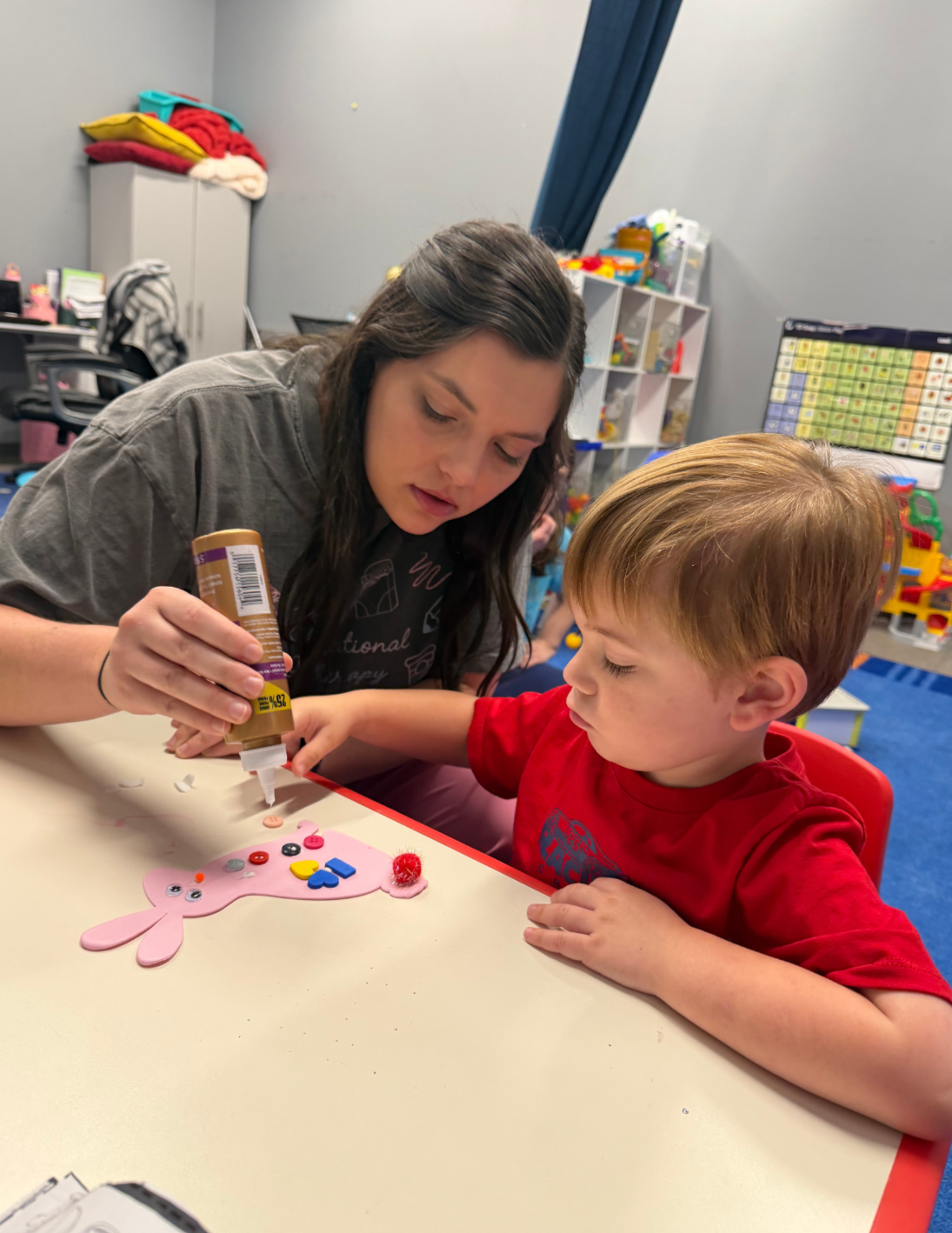
Gross Motor Skills
We support babies and their caregivers in establishing positive feeding experiences at home by:
Does your child eat less than 20 foods? Do they struggle with different textures or food groups? Feeding therapy can help increase the number of developmentally appropriate foods in their diet.
Sensory Integration
Does your child eat less than 20 foods? Do they struggle with different textures or food groups? Feeding therapy can help increase the number of developmentally appropriate foods in their diet.
Visual Motor Skills
Does your child eat less than 20 foods? Do they struggle with different textures or food groups? Feeding therapy can help increase the number of developmentally appropriate foods in their diet.
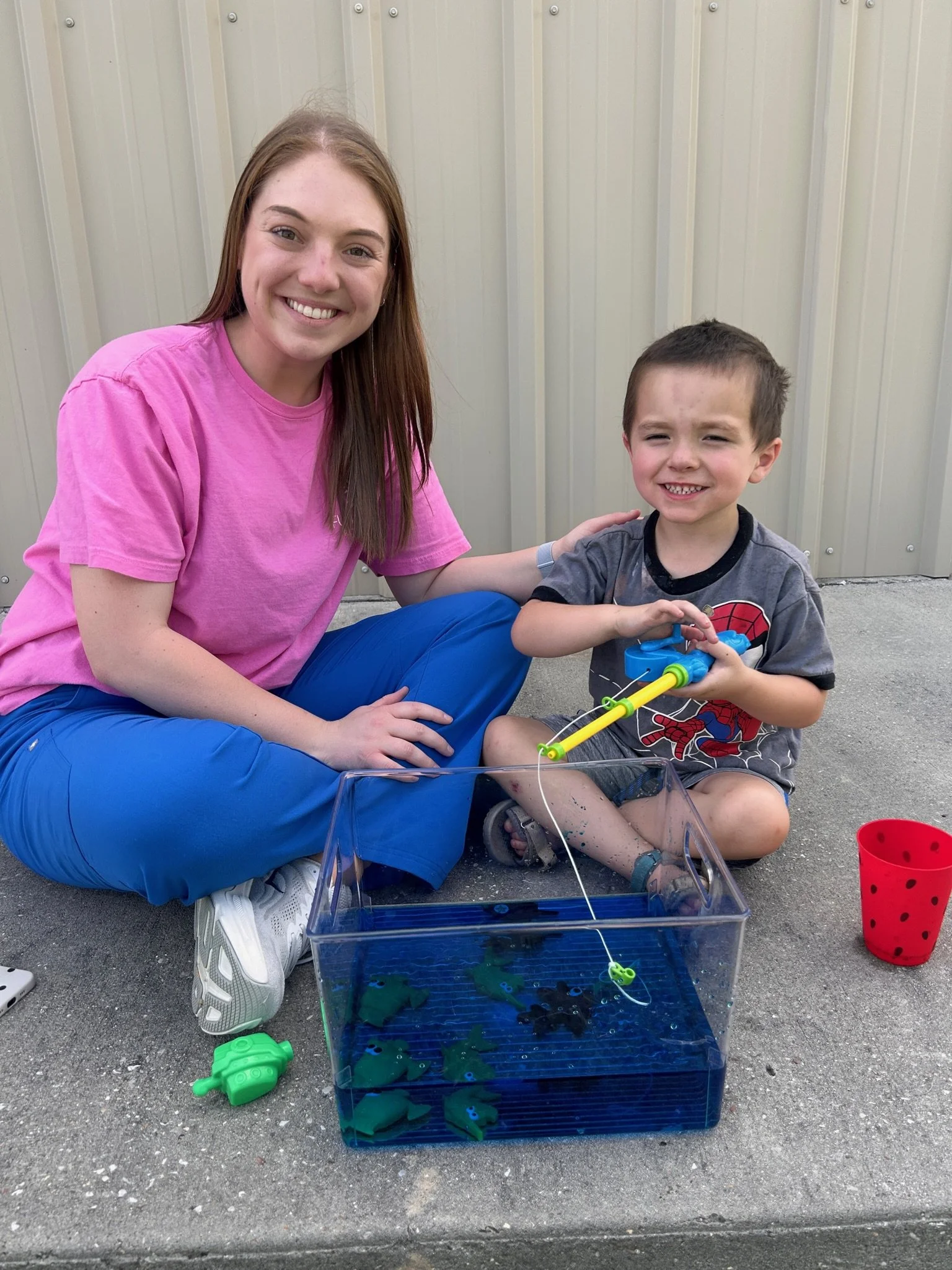
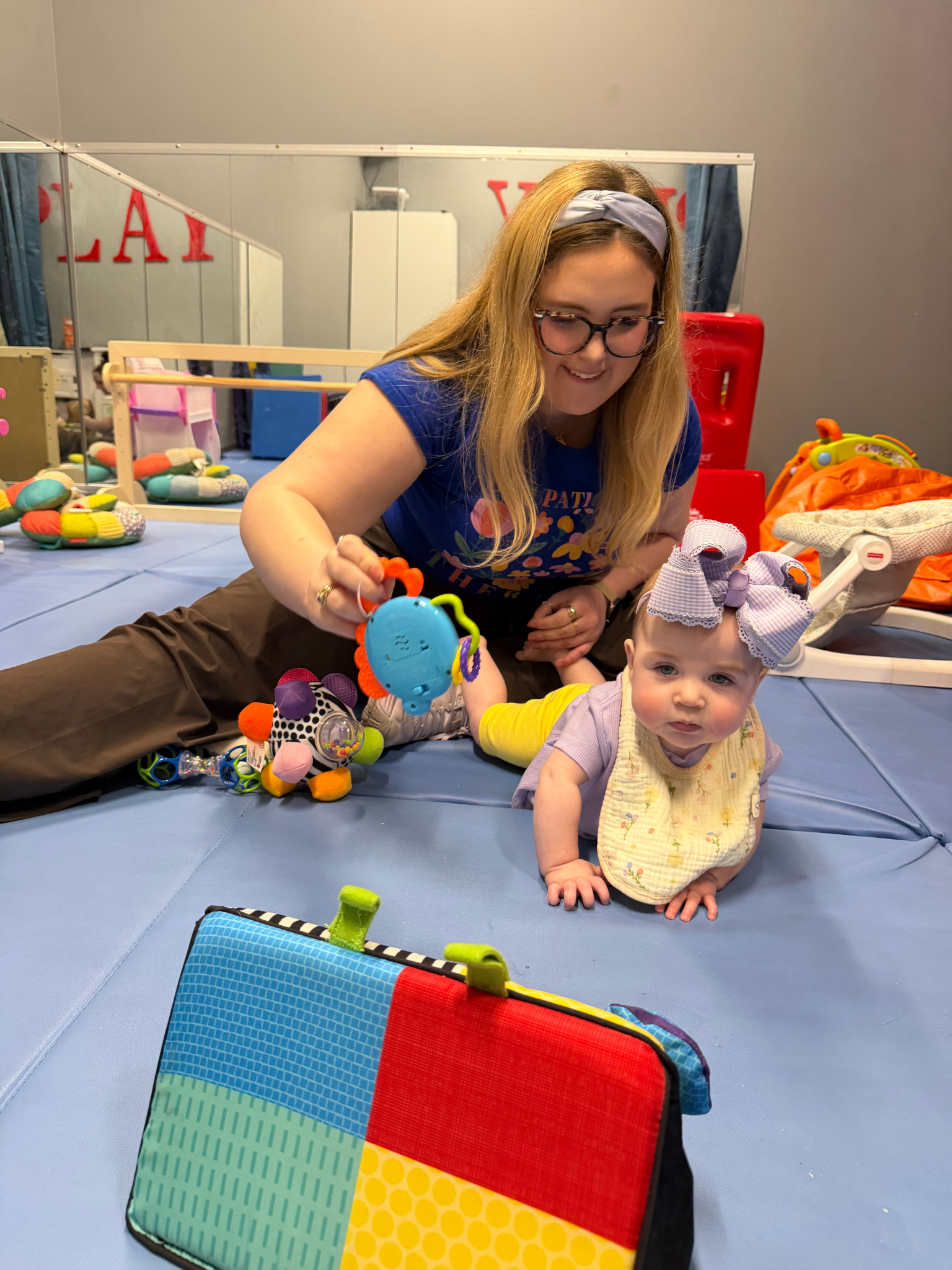
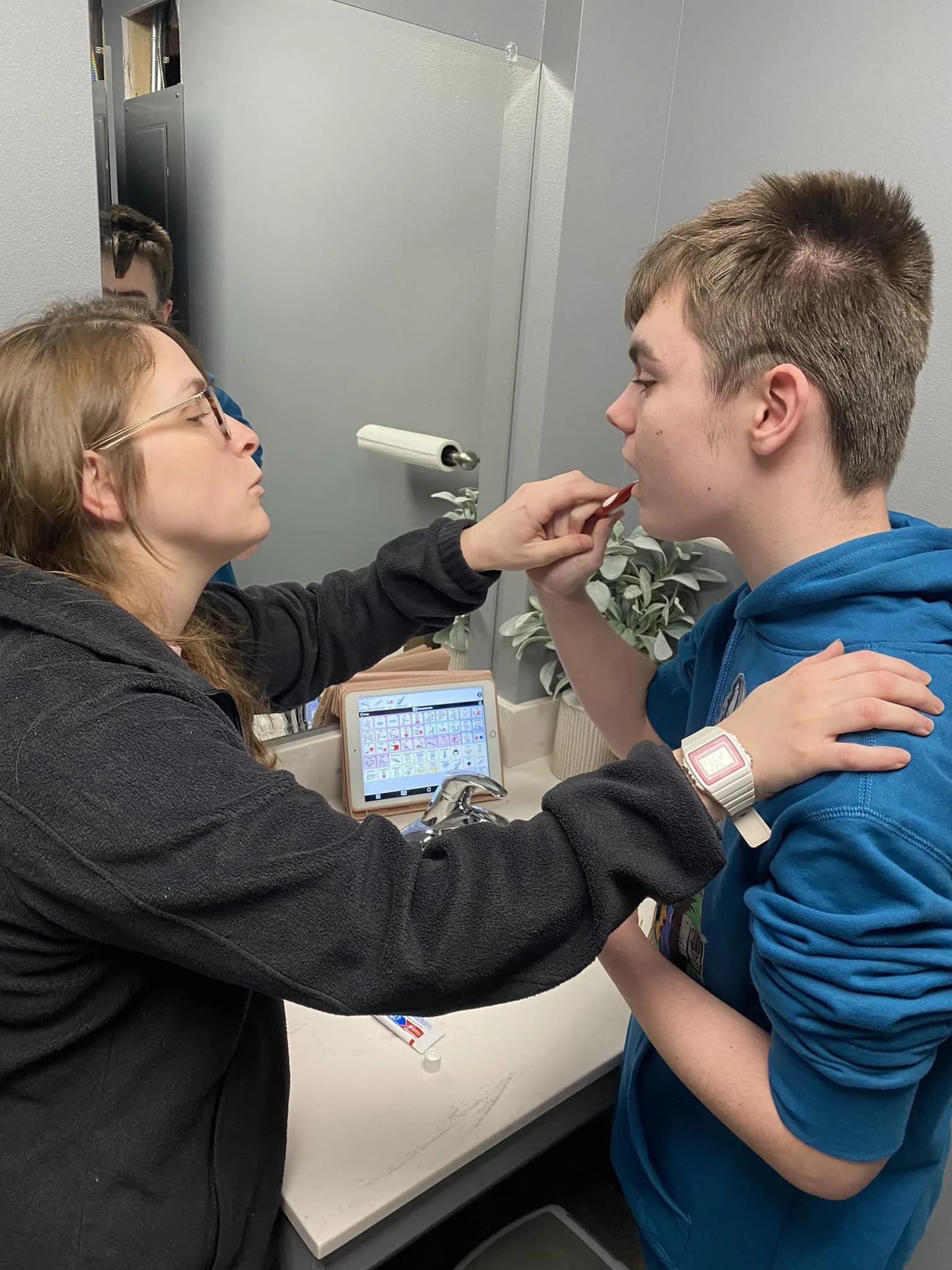
Play & Social Participation
We support babies, toddlers, and children & their caregivers in _______ by:
Is your child having difficulty introducing purees or solid foods into their diet?
Are they frequently gagging, coughing, or refusing to eat?
Bowel & Bladder Management
Is your child having difficulty introducing purees or solid foods into their diet?
Are they frequently gagging, coughing, or refusing to eat?
Emotional/Behavioral Regulation
We support children of all ages improve self feeding skills by:
Does your child struggle with transitioning from the bottle to an open or straw cup?
Self-Help Skills
Empowering families with the tools and knowledge needed to address feeding challenges
Addressing latch, positioning, and the coordination needed to suck, swallow, and breathe
Improving the quality of feeding sessions to ensure proper weight gain and decrease signs of discomfort
Feeding Therapy Training & Coursework