
Our services
Feeding Therapy
Making mealtimes happy and healthy.
We help babies, toddlers, and children develop healthy eating skills and enjoy a wider variety of foods, so mealtimes feel calmer for the whole family.
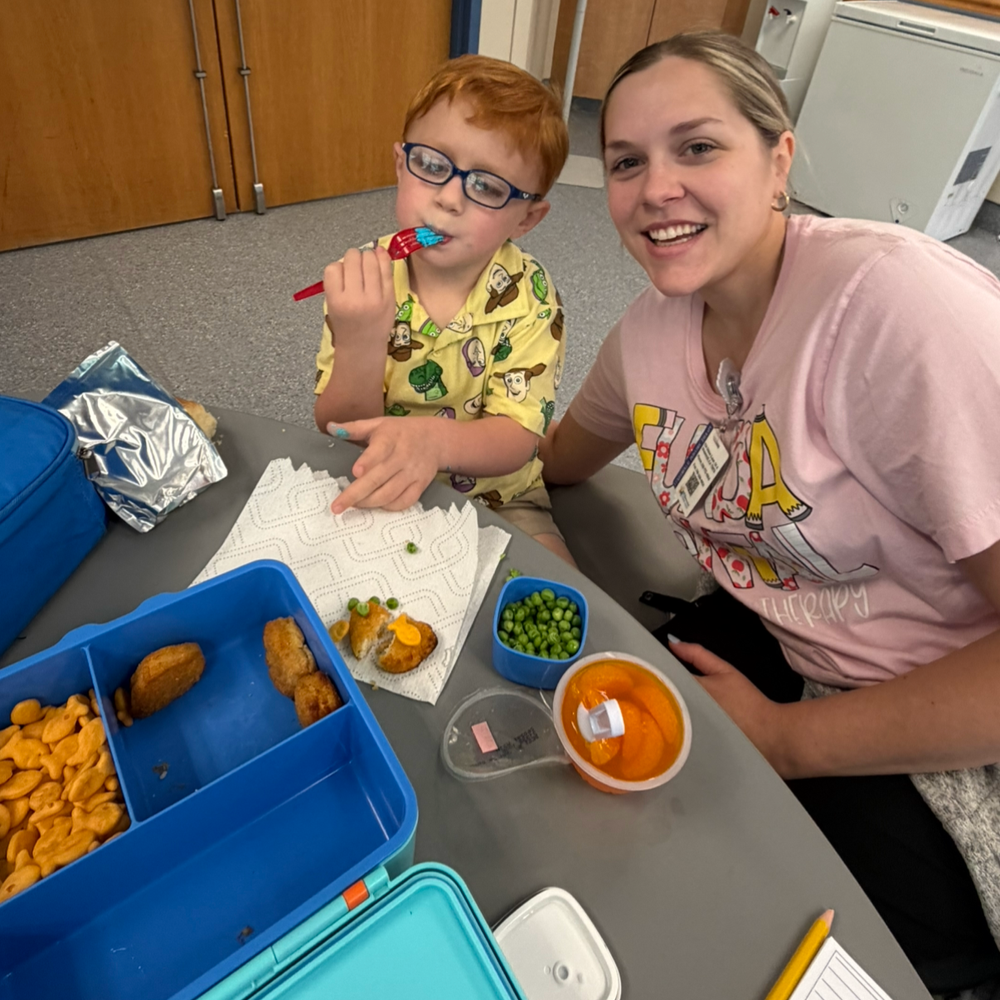
How we help
Feeding therapy can help with
The basics
What is feeding therapy?
The goal of feeding therapy is to build regular, nutritious, and enjoyable mealtimes that the whole family can enjoy.
Pediatric feeding therapists help babies, toddlers, and children develop healthy eating patterns and behaviors and expand the variety of developmentally appropriate foods in their diet. Check out our feeding milestones for age-range expectations.
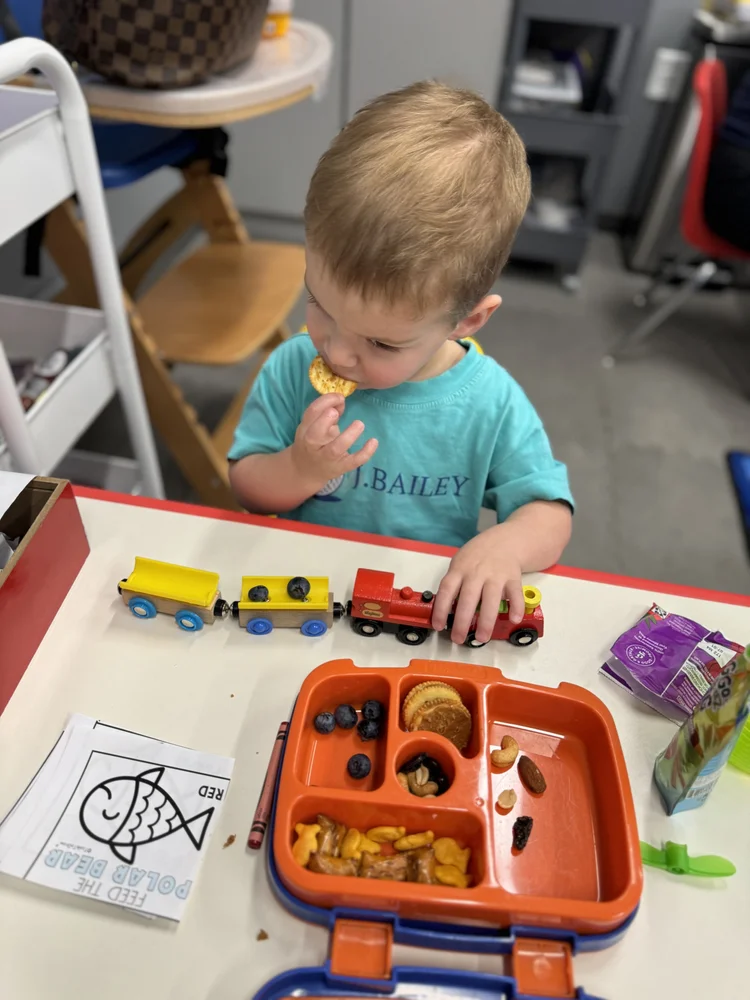
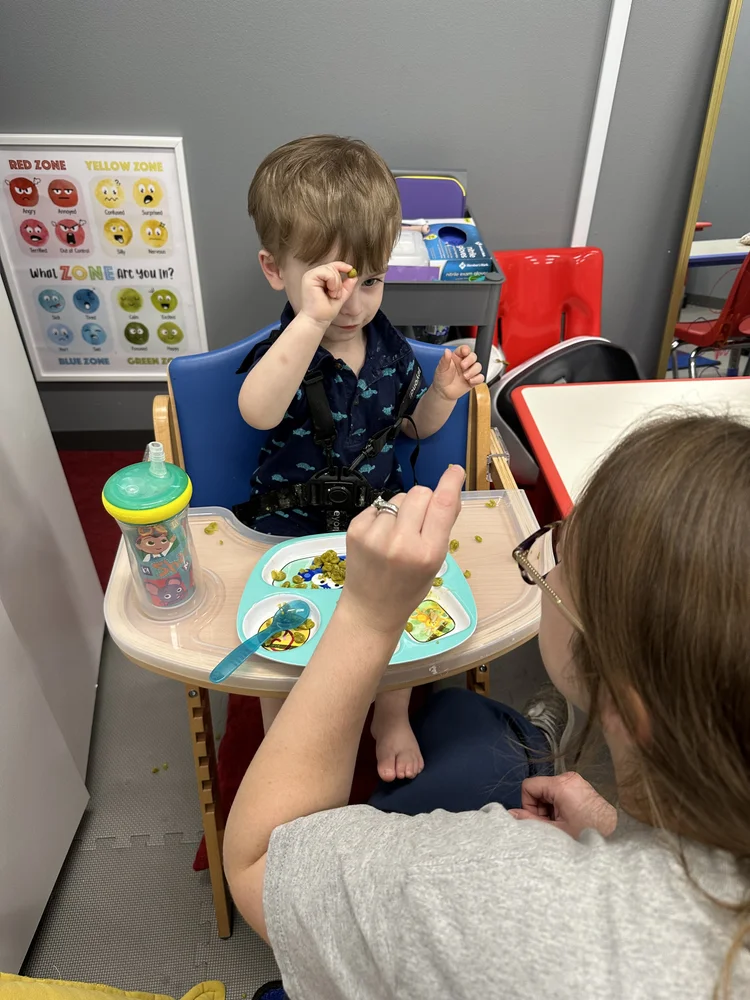
Signs your child would benefit from a feeding evaluation
Every child grows at their own pace, but an evaluation may help if your child:
- Has trouble breastfeeding or bottle feeding
- Coughs, gags, or chokes during meals
- Has a hard time moving from purees to textured or table foods
- Eats fewer than 20 foods or refuses whole food groups
- Has meals that are stressful, very long, or end in tears
- Pockets food, spits it out, or vomits often while eating
- Isn’t gaining weight as expected
Trust your instincts. If something doesn’t feel right, we’re here to help.
What to expect at a feeding evaluation
We complete evaluations over two visits, so your child has time to get comfortable and our team can get a true picture of their eating and mealtime skills.
- 1Before the visits
We’ll get a referral from your child’s physician and send intake paperwork about your child’s medical history, growth, and current eating habits.
- 2During the visits
A feeding therapist will talk with you about mealtimes, watch your child eat, and use a mix of standardized and informal assessments to look at oral motor, sensory, and feeding skills. Please bring a few foods your child likes and one or two they have trouble with, plus their usual cup, bottle, or utensils.
- 3After the visits
We’ll go over the results with you, answer your questions, and share recommendations, including whether therapy is needed and how often.
What we work on
Areas of feeding therapy
Infant feeding
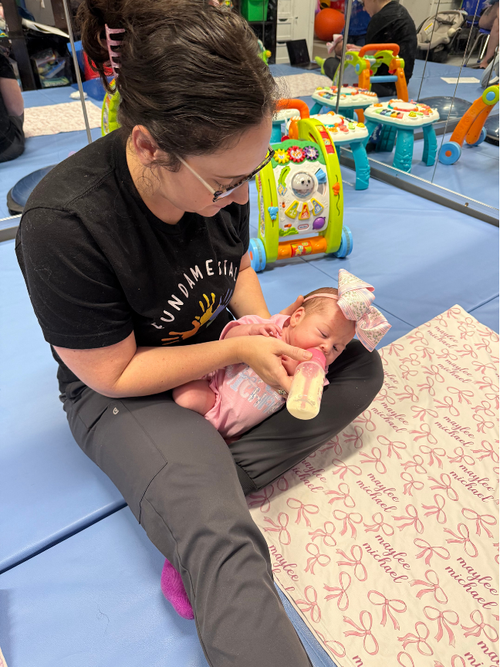
We support babies and their caregivers in building positive feeding experiences at home by:
- Giving families the tools and knowledge to address feeding challenges
- Addressing latch, positioning, and the coordination needed to suck, swallow, and breathe
- Improving feeding sessions to support healthy weight gain and reduce signs of discomfort
Transitioning to solids
Is your child having difficulty with purees or solid foods? Are they frequently gagging, coughing, or refusing to eat? Feeding therapy can help your baby move from bottle or breast to table foods.
Cup & utensil use
We help children of all ages build self-feeding skills by:
- Supporting the move from the bottle to an open or straw cup
- Building the skills needed to use a spoon and fork
Picky eating
Does your child eat fewer than 20 foods? Do they struggle with certain textures or food groups? Feeding therapy can help increase the number of developmentally appropriate foods in their diet.
Mealtime routines
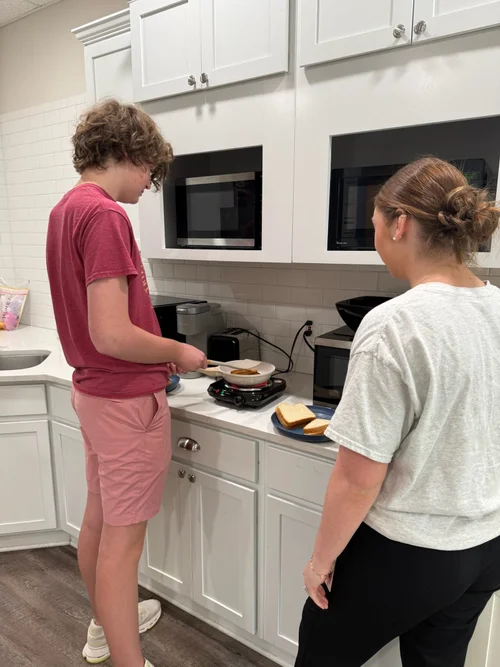
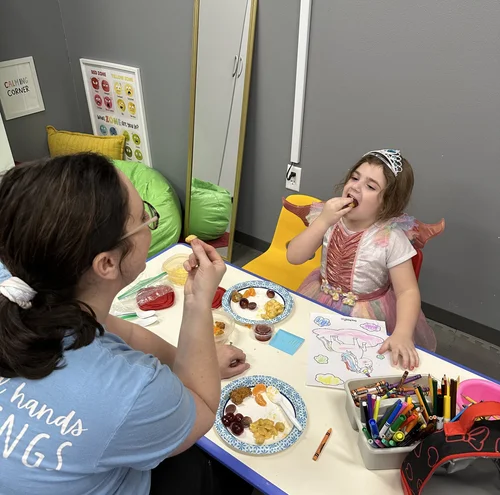
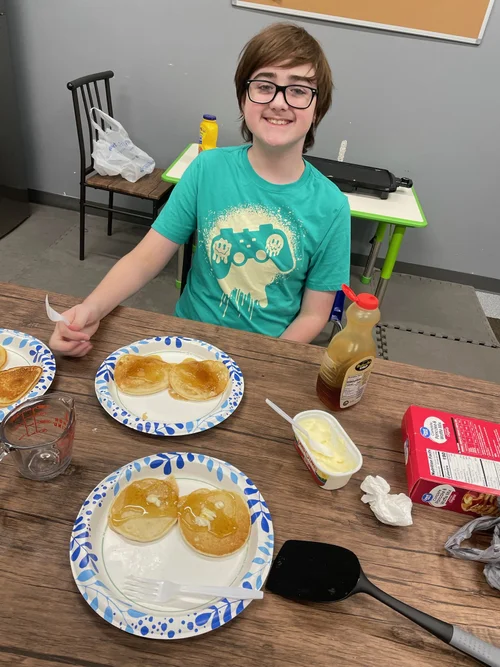
We help families create calm, predictable mealtimes with consistent routines, less pressure at the table, and simple strategies to use at every meal.
Always learning
Feeding therapy training & coursework
Our therapists complete specialized training so your child gets care backed by current research.



Ready for happier mealtimes?
Call us at (318) 775-4164 or start with a free developmental screening.