
Our services
Occupational Therapy
Putting the FUN in FUNctional.
We help children build the motor, sensory, and daily living skills they need to play, learn, and be independent at home, at school, and in the community.
Who we help
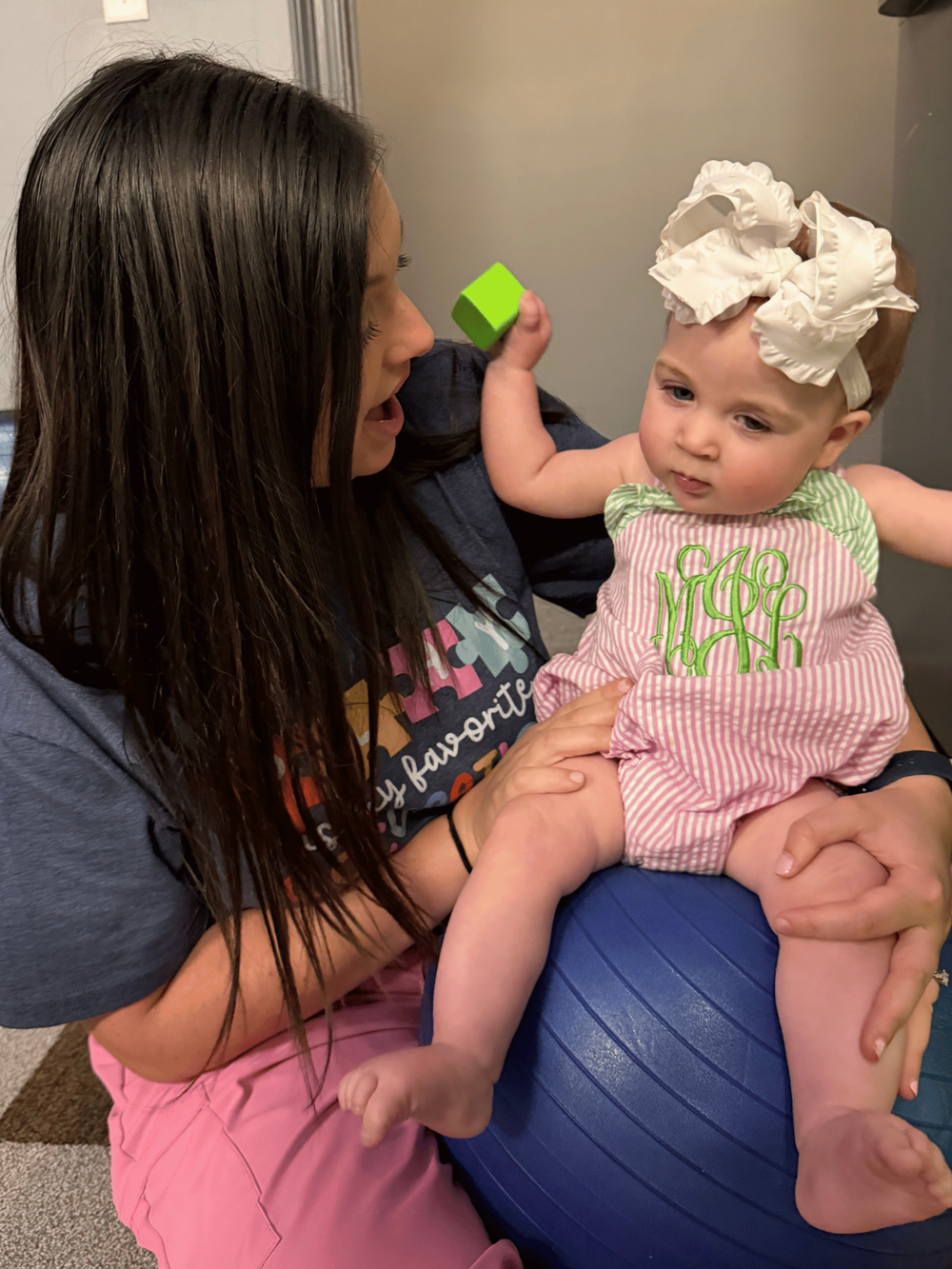
We work with children who have
This list isn’t all-encompassing. If you think your child could benefit from occupational therapy, give us a call.
The basics
What is occupational therapy?
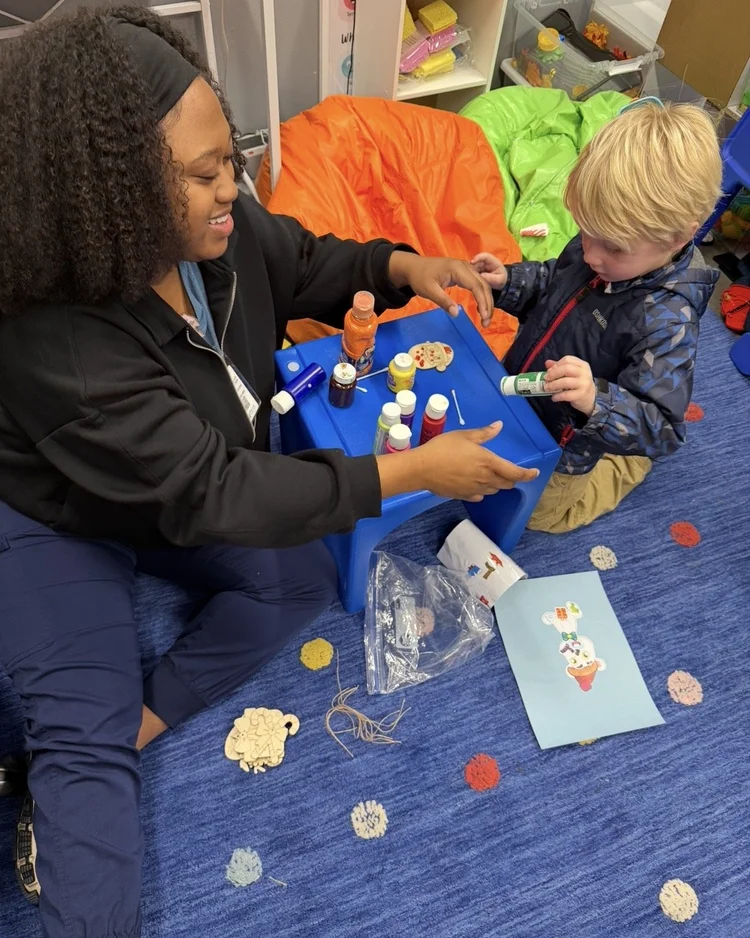
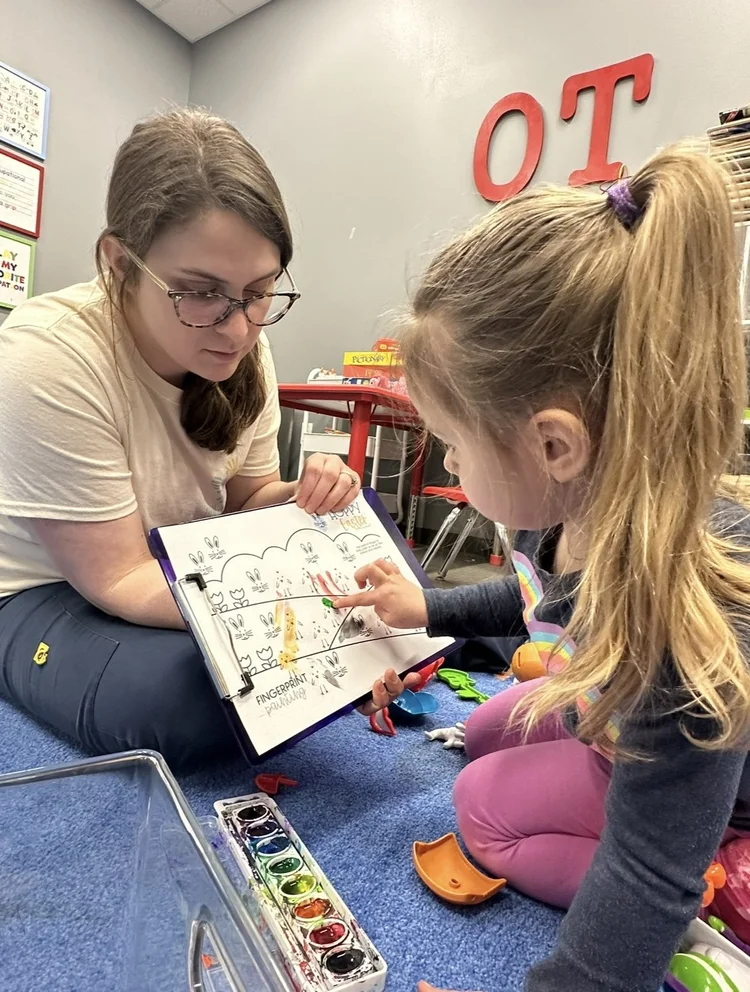
Occupational therapy helps children learn the skills they need to be independent and successful in their daily routines at home, at school, and in social settings. We do this by improving the underlying skills that get in the way of everyday activities and age-appropriate “occupations,” like play.
At FUNdamental Pediatric Therapy, we screen, evaluate, and provide individualized treatment to help children take part in their everyday activities. Explore what our occupational therapists work on below, and check out our milestones for age-range expectations.
Signs your child would benefit from an occupational therapy evaluation
Every child grows at their own pace, but an evaluation may help if your child:
- Isn’t rolling over by 6 months, sitting on their own by 9 months, or walking by 18 months
- Has trouble using their hands to grasp, color, cut, or button
- Seems clumsy, falls often, or tires quickly during play
- Is very sensitive to noise, textures, clothing, or touch
- Has big reactions to transitions or has trouble calming down
- Struggles with handwriting, staying seated, or focusing at school
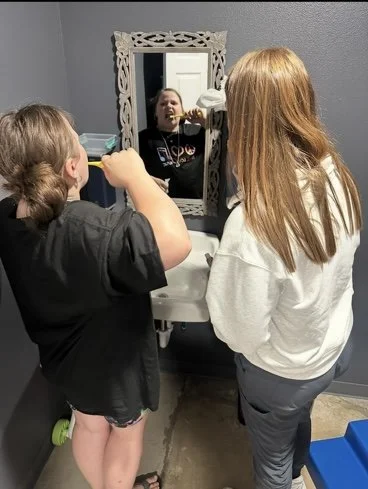
- Has trouble with daily tasks like dressing, brushing teeth, or using utensils
Trust your instincts. If something doesn’t feel right, we’re here to help.
What to expect at an occupational therapy evaluation
We complete evaluations over two visits, so your child has time to get comfortable and our team can get a true picture of their motor, sensory, and daily living skills.
- 1Before the visits
We’ll get a referral from your child’s physician and send intake paperwork about your child’s history, daily routines, and your concerns.
- 2During the visits
An occupational therapist will talk with you and use a mix of standardized testing, informal testing, observation, and age-appropriate activities to look at motor, sensory, and self-care skills. For younger children, much of this happens through play.
- 3After the visits
We’ll go over the results with you, answer your questions, and share recommendations, including whether therapy is needed and how often.
What we work on
Areas of occupational therapy
Fine motor skills
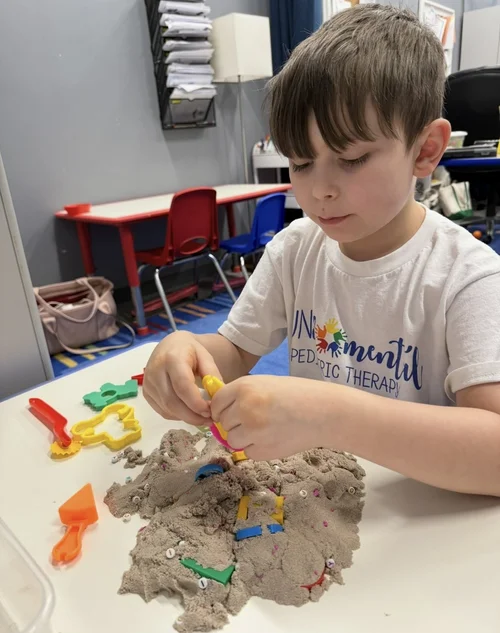
Using hands and fingers for everyday tasks like grasping, coloring, cutting, buttoning, and writing.
Gross motor skills
Building strength, balance, and coordination for rolling, sitting, crawling, walking, jumping, and play.
Sensory integration
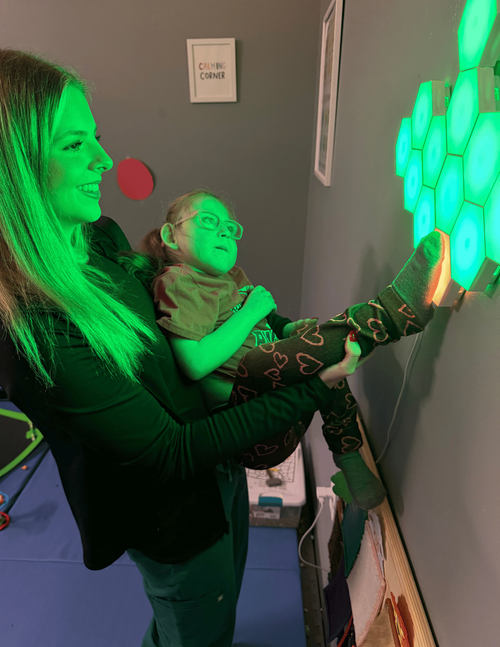
Helping children process and respond to sounds, textures, movement, and touch so they feel calm and ready to learn.
Visual motor skills
Coordinating the eyes and hands for drawing, copying shapes, writing, puzzles, and catching a ball.
Self-help skills
Building independence with dressing, brushing teeth, feeding, and other daily routines.
Play & social participation
Supporting play skills, turn-taking, and joining in with peers at home, at school, and in the community.
Bowel & bladder management
Supporting toilet training with routines, body awareness, and the motor skills needed to use the bathroom.
Emotional & behavioral regulation
Teaching strategies to manage big feelings, handle transitions, and stay calm and focused.
Ready to help your child do big things?
Call us at (318) 775-4164 or start with a free developmental screening.