5 Signs Your Child May Benefit From Speech Therapy
Every child grows and develops at their own unique pace. That said, there are certain speech and language milestones we generally expect children to meet by specific ages within the wide range of “typical” development. Knowing what those milestones look like can help you feel confident about your child’s speech and language development or recognize when a little extra support might be needed.
Are you wondering if your child’s speech or language skills are on track? If you’ve noticed they’re having trouble expressing themselves or understanding what others say, you’re not alone. Below, you’ll find five key signs that your child might benefit from a little extra support through speech therapy.
1.Your child is hard to understand (compared to other kids their age)
Your little one toddles to the kitchen, says an adorable, jumbled version of “mik,” smiles big, and you instantly hand her the blue cup of milk. Parents have a way of deciphering the secret language their child uses to communicate. While you might be fluent in your child’s personal language, not everyone speaks that “special language.”
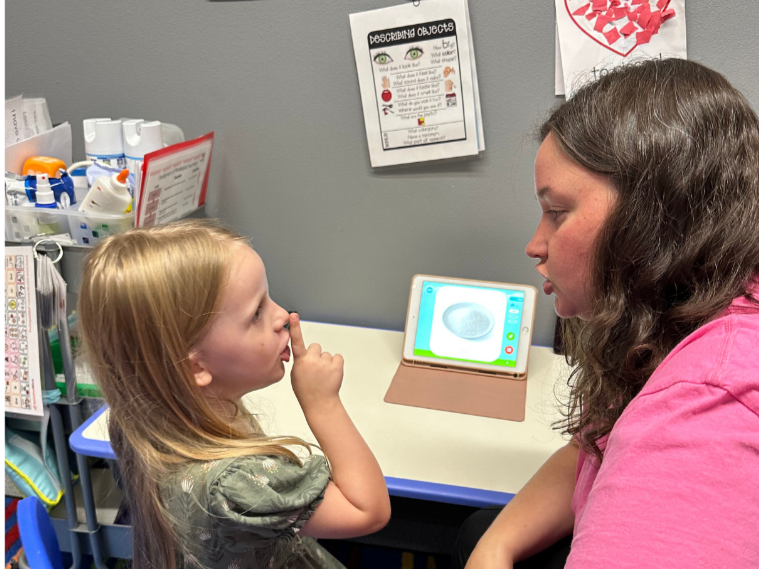
As children grow, we expect them to learn new sounds and become easier to understand. In fact, when speech-language pathologists think about intelligibility (how clearly a child is understood), we measure it by whether a stranger can understand them, not just mom or dad (or grandma!).
2. Your child gets frustrated when they try to communicate
Toddlers have BIG feelings (IYKYK). While tantrums and meltdowns are a totally normal part of growing up, sometimes those big reactions are tied to communication struggles. Imagine knowing exactly what you want to say, but the words just won’t come out. That kind of frustration can feel overwhelming for a little one.
For older children, communication challenges can show up differently. You might notice they avoid talking with peers, shy away from answering questions in class, or seem embarrassed to speak in front of others. When communication feels hard, kids often protect themselves by pulling back—and that’s a sign they may need a little extra support.
3. Your child has a hard time following directions and understanding new words
There’s a difference between a child who won’t follow directions and one who truly struggles to understand them. What can look like defiance is sometimes confusion. If you say, “Put your shoes in your room and grab your backpack,” and your child only does one part, or just stands there, they may be having trouble processing multiple steps, not refusing to listen.
The same goes for familiar routines. If your child consistently seems unsure of what to do next, even with repeated reminders, it could point to a comprehension challenge rather than behavior. When understanding is the issue, therapeutic support can make a big difference.
4. Your child has a hard time playing and interacting with peers
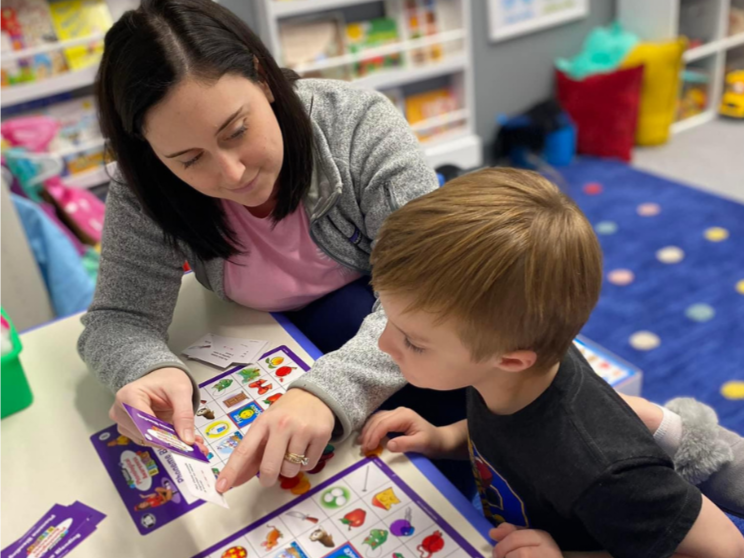
Did you know that as speech and language skills grow, play and social skills grow right alongside them? Communication is the foundation for so much of childhood: sharing ideas, taking turns, pretending, or negotiating roles in a game. As kids learn new words and longer sentences, their play becomes more imaginative and their interactions more connected.
When communication feels hard, play and social moments can feel hard, too. A child who struggles to express ideas might hang back during play time or avoid joining in with peers. Supporting speech and language doesn’t just improve clarity of speech; it also helps build confidence, friendships, and connections.
5. Your child’s teacher (or childcare provider) has expressed concerns
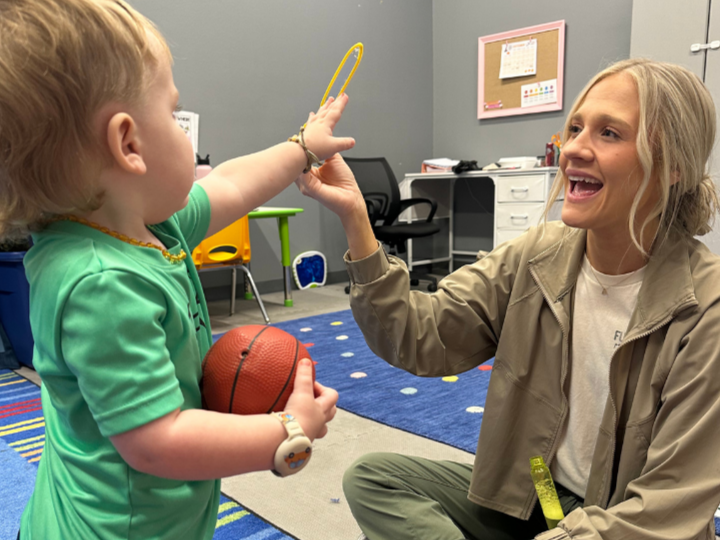
Listen to the people who spend the most time with your child. They see your child’s strengths, challenges, and daily interactions in real time. Teachers, caregivers, and other trusted adults work with many little ones every day and truly want what is best for your child’s growth and development. Their observations can be a valuable part of understanding your child’s needs.
It can feel scary when your child isn’t showing consistent progress in the development of their communication skills, and it can be even more overwhelming trying to figure it out on your own. If you’ve noticed any of the signs above, please remember that you are not alone, and support is available. Reaching out for help early can make a big difference, as speech therapy and early intervention help build strong communication foundations for your child’s future.